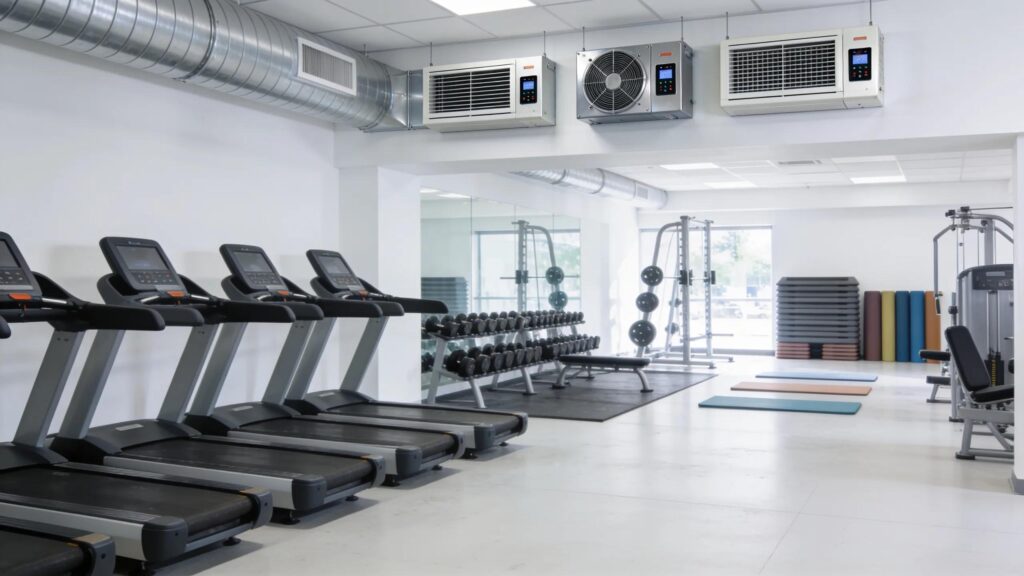
Managing mold, HVAC systems, and indoor air quality is vital for ensuring the health and safety of residents in senior living facilities. As aging populations become more vulnerable to respiratory issues, the significance of maintaining a clean and functional environment cannot be overstated. This article aims to equip facility managers with essential knowledge tailored to their specific challenges, providing practical solutions to improve indoor air quality and mitigate the risks associated with mold exposure. Key topics covered will include effective mold management, HVAC effectiveness, health risks related to mold, and emergency protocols. By examining these elements, facility managers can create a safer, healthier environment for all residents.
Mold Management
Effective mold management in senior living facilities revolves around identifying and mitigating potential mold growth through preventive measures and swift remediation practices. Facility managers should implement comprehensive identification strategies, consistent monitoring, and thorough remediation processes to uphold a safe living environment. Ensuring that staff members are adequately trained to spot initial signs of mold will allow for early detection and treatment, preventing larger issues down the line.
In connection with this, American Air Conditioning and Restoration (ACR) offers specialized mold remediation services designed to cater to the unique needs of senior living facilities. Their expertise ensures that mold challenges are addressed promptly and effectively, utilizing advanced techniques to safeguard indoor air quality.
HVAC Effectiveness
Maintaining HVAC systems is crucial in managing indoor air quality and preventing mold proliferation within senior living facilities. Regular maintenance ensures that systems operate efficiently, reducing humidity levels and supporting airflow. Facility managers should emphasize the importance of routine inspections, airflow management, and humidity control to maximize system effectiveness.
For facility managers seeking to optimize the performance of their HVAC systems, American Air Conditioning and Restoration (ACR) provides tailored HVAC maintenance solutions that address specific needs. Their team specializes in enhancing air quality through comprehensive service packages.
HVAC Performance Assessment
Different HVAC systems may have varying impacts on indoor air quality, and understanding these differences is essential. Below is a comparative table highlighting various HVAC approaches and their effectiveness in senior living environments.
| HVAC System Type | Maintenance Frequency | Air Quality Impact |
|---|---|---|
| Central Air | Bi-annual | High |
| Window Units | Monthly | Moderate |
| Portable Units | As Needed | Low |
This comparison indicates how routine maintenance and system choice can drastically affect overall air quality, highlighting the need for thorough evaluations during operational planning.
Strategies for Optimal Indoor Air Quality
Improving indoor air quality in senior living facilities involves a multi-faceted approach, including implementing advanced air filtration systems, enhancing ventilation methods, and ongoing monitoring. Ineffective ventilation can trap pollutants and humidity, leading to mold growth, while high-quality air filtration can significantly reduce allergens and other airborne contaminants.
Advanced Air Filtration Systems
Recent advancements in air purification technology have proven beneficial for enhancing the indoor environments of senior living facilities. Here are three notable benefits of integrating advanced air filtration systems:
- Enhanced Pollution Removal: These systems can capture smaller particles that are not filtered out by standard HVAC systems, significantly improving air quality.
- Reduction of Allergens: They help diminish allergens and irritants, leading to fewer respiratory issues among residents.
- Improved Comfort: Clean air contributes to a more pleasant indoor environment, promoting overall wellbeing for residents.
Ventilation Improvements
Enhancing ventilation strategies is equally vital. Facilities can achieve better air circulation through the following methods:
- Increasing Fresh Air Intake: Ensuring fresh air is regularly cycled through living spaces prevents stagnant air, reducing humidity and the potential for mold growth.
- Utilizing Exhaust Fans: Installing exhaust fans in areas prone to moisture, such as kitchens and bathrooms, can effectively manage humidity levels.
- Implementing Smart Controls: Automated systems can optimize air exchange based on real-time humidity and air quality readings, providing a responsive environment.
What Are the Health Risks of Mold in Senior Living Facilities?
The presence of mold in senior living facilities presents significant health risks, particularly to elderly residents who may have weakened immune systems. Mold can cause a variety of respiratory issues and allergic reactions, underscoring the importance of effective management and mitigation strategies.
Which Mold Types Commonly Affect Elderly Residents?
Some common types of mold found in senior living facilities that may pose health risks include:
- Aspergillus: Often found in damp areas, can cause respiratory infections.
- Stachybotrys (black mold): Known for producing mycotoxins, leading to severe respiratory complications.
- Penicillium: Can trigger allergic reactions and respiratory problems.
How Does Mold Exposure Impact Respiratory Health in Seniors?
Mold exposure can exacerbate respiratory diseases in seniors, increasing the risk of conditions such as asthma and chronic bronchitis. Symptoms include:
- Coughing and wheezing
- Nasal congestion
- Sore throat
- Skin irritations
Taking proactive steps to ensure that mold is kept at bay can significantly mitigate these health risks.
How Should Facility Managers Conduct Mold Inspections in Assisted Living?
Conducting regular mold inspections is critical for maintaining safe environments in assisted living facilities. Establishing a standardized protocol for inspections ensures that potential problems are identified and resolved quickly.
What Are the Recommended Mold Inspection Frequencies for Senior Facilities?
Best practices suggest that mold inspections should occur at least twice a year, or more frequently depending on environmental conditions, such as high humidity or recent water damage. Some recommendations include:
- Before Seasonal Changes: Inspect before and after high humidity seasons.
- Post-Water Damage: Immediate inspection is necessary following any leaks or flooding events.
- Routine Audits: Regular checks of commonly affected areas to identify early signs of mold growth.
Which Mold Remediation Services Are Best Suited for Senior Care Environments?
Selecting appropriate mold remediation services involves understanding the specific needs of senior care environments. Effective remediation focuses on safe removal and prevention strategies that consider the health of vulnerable populations.
- Conventional Mold Removal: Addresses visible mold growth through professional cleaning and treatment.
- Preventive Solutions: Includes humidity control measures and regular maintenance of HVAC systems to inhibit future growth.
- Health-Conscious Protocols: Services should be tailored to ensure minimal disruption and protect the health of residents during remediation efforts.
What Are the Best HVAC Maintenance Practices for Assisted Living Facilities?
Regular maintenance of HVAC systems in senior living facilities is paramount. Implementing best practices can extend the lifespan of equipment and improve air quality.
How Often Should HVAC Systems Be Serviced in Senior Living Homes?
Facilities should strive for the following HVAC servicing schedule:
- Quarterly Inspections: Conduct inspections every three months to ensure all components function properly.
- Filter Changes: Replace air filters every 1-3 months depending on use and air quality conditions.
- Annual Pro Maintenance: Schedule a comprehensive evaluation by professionals once a year to assess system efficiency.
Which HVAC Components Most Affect Indoor Air Quality for Seniors?
Several critical components of HVAC systems directly impact indoor air quality:
- Air Filters: High-efficiency particulate air (HEPA) filters trap pollutants, improving air quality.
- Ductwork: Clean and sealed ducts minimize dust and allergens being circulated.
- Humidifiers/Dehumidifiers: Maintain optimal humidity levels, directly influencing mold growth potential.
Which Technologies Improve Indoor Air Quality in Elderly Care Settings?
Investing in technologies that enhance indoor air quality is essential for senior living facilities. These innovations can significantly improve the health and comfort of residents.
How Do Advanced Air Filtration Systems Benefit Senior Living Facilities?
Investing in advanced air filtration systems can reduce the presence of airborne contaminants, ultimately enhancing indoor air quality. Some benefits include:
- Superior Contaminant Removal: Advanced filters effectively remove pollutants as small as 0.3 microns, improving overall air quality.
- Odor Reduction: Technology designed to neutralize odors provides a fresher living environment.
- Healthier Environment: Enhanced air quality contributes to reduced respiratory ailments and supports general wellbeing.
What Are Emerging Indoor Air Quality Solutions for Assisted Living?
Emerging technologies, such as smart HVAC systems and improved air purification units, are paving the way for enhanced indoor air quality management. These innovations offer real-time data and automated system management, ensuring optimal comfort and safety for residents.
What Are Emergency Mold Remediation Protocols for Senior Living Facilities?
In cases of severe mold growth, having an emergency remediation protocol is essential for minimizing health risks. Facility managers must establish clear protocols to respond efficiently.
Which Steps Should Facility Managers Take During Mold Emergencies?
In a mold emergency, the following steps are critical:
- Evacuate Affected Residents: Ensure resident safety by relocating those at risk.
- Contact Professionals: Engage specialized services for immediate assessment and remediation.
- Assess Water Damage: Identify and rectify sources of moisture to prevent future mold growth.
How Can Rapid Scheduling and Contact Systems Help in Mold Crises?
Implementing efficient contact systems aids in swift communication and scheduling, which can expedite the response process. By having predetermined contacts for services, facility managers can ensure prompt action during emergencies.
How Do Regulatory Compliance and Standards Shape Senior Living HVAC and Mold Management?
Navigating regulatory compliance is crucial for facility managers to maintain operational standards in senior living environments. Adhering to established protocols ensures resident safety and facility integrity.
What Indoor Air Quality Standards Apply to Assisted Living Facilities?
Several indoor air quality standards should be observed to maintain healthy environments in assisted living facilities:
- ASHRAE Standards: Provide guidelines on ventilation and air quality.
- EPA Guidelines: Set forth regulations regarding pollutant levels and management practices.
- State Regulations: Compliance with local laws regarding indoor air quality and mold management.
How Can Facility Managers Ensure Ongoing Compliance with Mold Regulations?
Ensuring compliance involves regular audits, staff training on protocols, and proper documentation of inspections and actions taken.
In conclusion, the effective management of mold, HVAC systems, and indoor air quality begins with a robust understanding of protocols and services available. Facility managers play a crucial role in safeguarding the health of seniors by adhering to best practices and leveraging the expertise available from specialized service providers like American Air Conditioning and Restoration (ACR).
For comprehensive HVAC solutions and services that ensure optimal indoor air quality for senior living facilities, consider exploring the offerings at ACR. Their expertise can help maintain efficient and effective climate control systems.
To understand the full spectrum of services designed to improve and maintain indoor environments, facility managers can visit American Air Conditioning and Restoration (ACR). They offer a range of solutions to address common facility management challenges.
When faced with concerns about mold and its impact on health, seeking professional assistance is key. ACR’s mold remediation services are specifically designed to handle these issues safely and effectively.
For emergency situations requiring prompt attention to HVAC or air quality issues, facility managers can rely on ACR’s rapid scheduling and contact systems to ensure timely response.
Facility managers looking to enhance their understanding of how HVAC systems contribute to a healthier living space can find valuable information on indoor air quality solutions provided by ACR.
For commercial facilities, including senior living residences, maintaining peak HVAC performance is essential. ACR offers specialized commercial AC services to meet these demands.