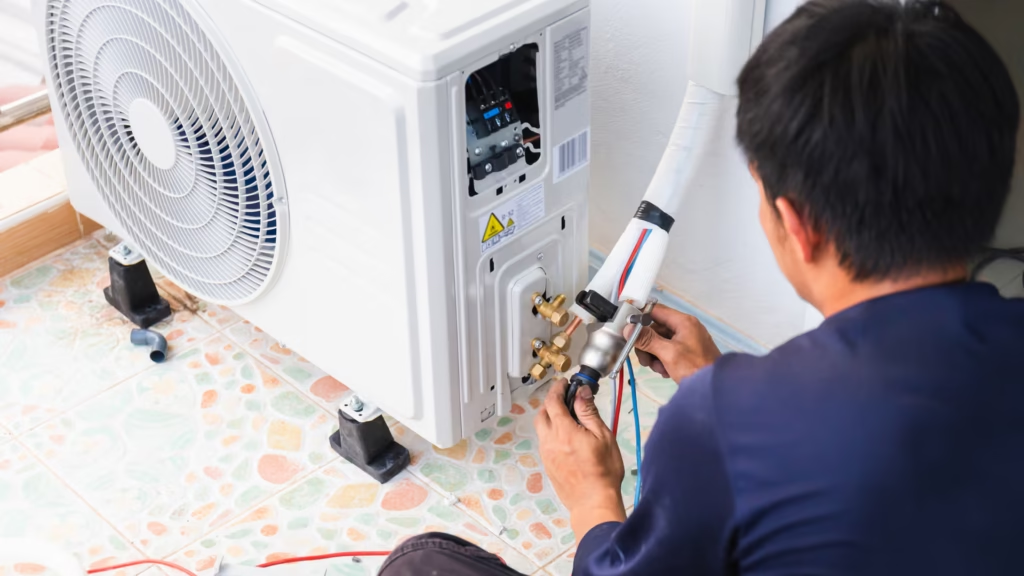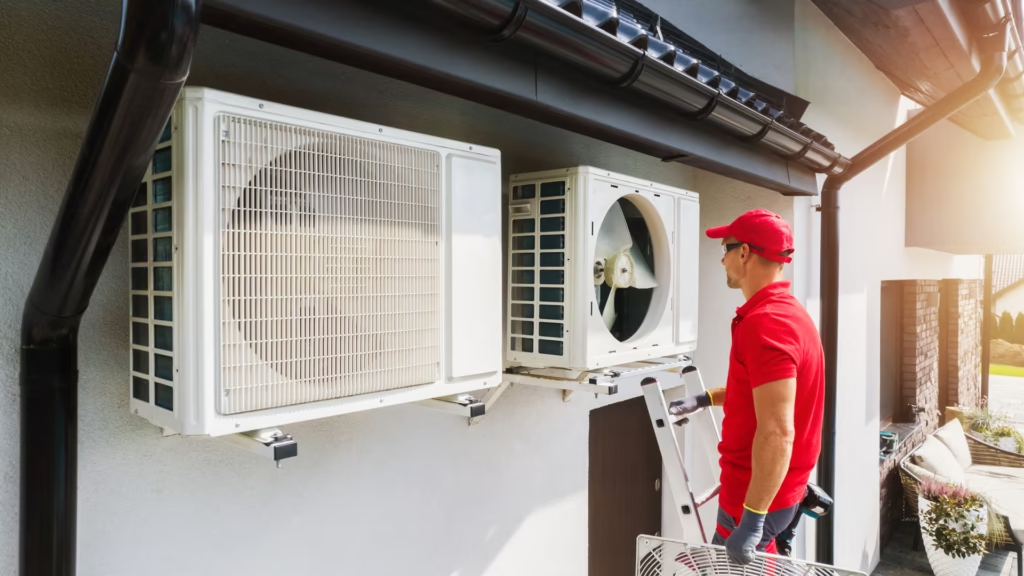
When it comes to indoor air quality, HEPA air purifiers, combined with routine AC filter changes every 30 days, significantly reduce airborne pollen during Florida allergy season. American Air Conditioning & Restoration in Bradenton, Florida, recommends duct cleaning and indoor humidity control below 50% to prevent mold growth and minimize allergen circulation throughout your home’s HVAC system.
Florida allergy season demands closed windows during high pollen counts, HEPA filtration, and humidity control below 50 percent to limit mold growth. American Air Conditioning & Restoration installs advanced air filtration and humidity control systems that integrate with existing HV
Key Takeaways
- Indoor air pollution reaches two to five times higher levels than outdoor air quality.
- HEPA vacuums, air purifiers, and mattress covers reduce allergen accumulation in your home.
- People spend over 90% of their time indoors, making home air quality critical.
- American Air Conditioning & Restoration offers a free Asthma-Friendly Home Checklist for Bradenton residents.
Why Does Florida’s Allergy Season Hurt Indoor Air?
Florida’s climate keeps allergy triggers active nearly year-round, unlike states with a true winter freeze. Subtropical heat, thick humidity, and extended growing seasons let pollen, mold, and dust mites linger indoors long after outdoor blooms fade. Spring and fall bring sharp spikes, but a mild Florida winter rarely offers real relief.
That matters because most exposure happens at home, not outside. People spend more than 90% of their time indoors. Indoor air can run two to five times more polluted than the air outside. For a household already fighting sneezing, congestion, and itchy eyes, stale or contaminated indoor air amplifies every symptom.
What Makes Florida Homes Especially Vulnerable?
Humidity is the main culprit. Damp conditions feed mold growth and help dust mites thrive in bedding, carpet, and upholstery. Combine that moisture with pollen drifting in through doors, windows, and HVAC intake, and a Florida home becomes a year-round trigger zone rather than a safe retreat.
How Can Homeowners Fight Back Against Trapped Allergens?
Reducing indoor contaminants requires more than opening a window. American Air Conditioning & Restoration provides a full slate of indoor air quality solutions built to cut airborne contaminants and improve airflow throughout residential properties. Indoor Air Quality Options typically include:
- Advanced filtration to capture pollen and dust particles
- Mold inspection and prevention services
- Humidity control tied into existing HVAC systems
The company serves homeowners across Sarasota and Manatee County communities, including Bradenton, Lakewood Ranch, Venice, and Nokomis. Residents face these same allergy season pressures. Local support matters, since generic advice rarely accounts for Florida’s unique humidity load and near-constant growing season.
Should You Open Windows During Allergy Season?
Closed windows protect Florida households better than fresh air during peak pollen months. Florida’s allergy season stretches long, making it essential to keep windows closed to prevent pollen, mold spores, and dust from entering living rooms and bedrooms. Homeowners already managing sneezing, congestion, or itchy eyes gain little from outdoor air loaded with the same triggers causing their symptoms.
Air conditioning offers a better path when the filtration is right. Running an A/C system equipped with proper HVAC filters pulls allergens out of circulating air rather than pushing them back into every room. Florida homes that rely on stale, unfiltered systems often trap contaminants indoors instead of removing them.
Does Running the AC Help With Allergies?
Yes, when the filters match the household’s needs. American Air Conditioning & Restoration provides advanced air filtration, mold inspection, humidity control, and system upgrades built to work with existing HVAC equipment. Indoor Air Quality Households avoid a costly full-system replacement while still improving indoor air quality throughout the home.
What’s the Best Way to Reduce Allergy Triggers at Home?
No two Florida homes share the same triggers. The company evaluates each indoor environment individually, tailoring recommendations for residential properties and commercial spaces alike.
Practical steps for allergy-prone households include:
- Keeping windows shut during high pollen readings
- Replacing HVAC filters on a consistent schedule
- Scheduling a professional assessment before pollen season peaks
- Addressing humidity and mold sources that worsen symptoms
Partnering with a service focused on reliability. Customer-first care gives Florida families steady support long after the initial filter swap, keeping comfort consistent through every allergy cycle.
Which HVAC Filters Actually Remove Allergens?
High-efficiency filters paired with a properly running air conditioner strip pollen, dust, and dander from circulating air. Running the A/C with the right filter grade counts as one of the most direct ways Florida homeowners cut allergen exposure during allergy season. Skip the correct filter, and the same air keeps recirculating through the home, dragging symptoms out for weeks.
Not every filter performs the same job. A basic fiberglass filter mainly protects the HVAC equipment, not the lungs. A pleated or HEPA-style filter traps far smaller particles, including ragweed and oak pollen common across Florida neighborhoods.
Common filter types compared:
| Filter Type | Best For | Allergen Capture |
|---|---|---|
| Fiberglass panel | Basic equipment protection | Low |
| Pleated (MERV 8–11) | Everyday household allergens | Moderate |
| High-efficiency pleated/HEPA-style | Pollen, mold spores, pet dander | High |
Does upgrading the filter alone fix poor indoor air quality?
Filtration matters, but it works best as one piece of a larger system. American Air Conditioning & Restoration builds home air filtration upgrades around advanced filtration alongside mold inspection, humidity control, and equipment enhancements that integrate with the existing HVAC setup. Indoor Air Quality A stronger filter installed into a leaky, humid, or poorly maintained system still leaves gaps that allergens exploit.
Do renters and homeowners need the same filter setup?
Not always. Filtration recommendations get matched to the specific property. A small condo, a single-family house, and a commercial space don’t share identical airflow needs. Indoor Air Quality A technician evaluates the property before suggesting a filter grade or add-on equipment.
Because American Air Conditioning & Restoration is based in Bradenton, Florida, guidance on filter selection stays grounded in the humidity, pollen patterns, and building types found across the region. That local footing matters when pollen counts spike. Households need answers fast, not generic advice built for a different climate.
How Does Humidity Control Stop Mold Growth?
Balanced indoor moisture levels deny mold spores the damp conditions they need to colonize walls, ductwork, and furniture. Florida homes hold moisture in the air far longer than drier climates. This step carries more weight than it does elsewhere. Skip it, and spores already floating through a living room settle in and multiply instead of passing through harmlessly.
Florida’s climate makes seasonal allergy relief genuinely harder to achieve than in most other states. Heat, humidity, and long pollen cycles combine to keep triggers active nearly year-round. Without proper filtration, ventilation, and humidity control working together, a home’s air actually traps allergens indoors instead of clearing them out, which leaves symptoms worse rather than better.
American Air Conditioning & Restoration folds humidity management directly into its broader indoor air quality service, rather than selling it as a standalone add-on. That package covers:
- Advanced air filtration to capture particles before they recirculate
- Mold inspection and prevention aimed at catching moisture problems early
- Humidity control tied into the existing HVAC system
- System enhancements that keep airflow consistent room to room
Does every home need the same mold and humidity fix?
No single solution fits every property. Assessments are matched to each home’s or business’s specific conditions, since a beachside condo and an inland ranch house trap moisture differently. A residential kitchen with poor ventilation needs a different approach than a commercial space with heavy foot traffic.
Can humidity control alone stop an active mold problem?
Humidity control slows new mold growth but doesn’t remove existing colonies. Homeowners dealing with visible mold need inspection and remediation alongside moisture management, not instead of it. Pairing both keeps allergy season symptoms from returning once temperatures rise again.
What Else Helps Improve Indoor Air Quality?
Product choices matter as much as equipment upgrades. Florida households battling sneezing fits and itchy eyes during allergy season gain an edge by selecting cleaning supplies, detergents, and bedding marked with an Asthma & Allergy Friendly Certification. That label signals lower allergen triggers, giving families in Sarasota and Manatee County one more layer of protection beyond filters and purifiers.
Do certified products actually reduce allergy triggers at home?
Certified household items undergo testing meant to limit irritants that aggravate asthma and allergies. Pairing these products with a well-maintained HVAC system creates a fuller strategy for cleaner indoor air quality, rather than relying on one fix alone.
A dependable HVAC partner rounds out the approach. Working with a company built around comfort, reliability, and attentive service gives allergy-prone households a steady resource for tackling air quality problems as they arise, not just once a year.
Who handles both air quality and comfort issues in one visit?
American Air Conditioning & Restoration addresses both concerns together. The same technicians who improve air filtration and humidity control also restore comfort during Florida’s extreme heat. A single visit can cover multiple household needs.
Coverage extends across a wide service area, which matters for renters and homeowners searching for nearby help. Support reaches:
- Sarasota and Bradenton
- Lakewood Ranch and Palmetto
- Venice, Nokomis, and North Port
- Anna Maria, Holmes Beach, and Longboat Key
- Cortez, Myakka City, Riverview, Brandon, and Sun City Center
Households throughout these communities can pair certified low-allergen products with professional HVAC support for a more complete defense against seasonal symptoms.
Florida’s allergy season demands a multi-layered approach to indoor air quality, from regular filter maintenance to professional duct cleaning and humidity control. By combining these strategies, you create a healthier breathing environment for your family or business. Taking action now—before pollen counts peak—positions you to enjoy the season with fewer symptoms and greater comfort. Your home’s air quality directly impacts your well-being, making these investments in cleaner air worthwhile year-round.
FAQ
Should homeowners open windows during allergy season?
Generally, it’s best to keep windows closed during allergy season since open windows let pollen and other allergens drift indoors, which can worsen allergy symptoms for sensitive individuals.
What happens if windows are left open when pollen counts are high?
Leaving windows open when pollen counts are high allows allergens to settle into fabrics, carpets, and air ducts, making indoor air quality worse and prolonging allergy discomfort.
What can homeowners do instead of opening windows for fresh air during allergy season?
Homeowners can rely on air conditioning or air purification systems to circulate. Filter indoor air, helping reduce allergen exposure without needing to open windows.