Signs of AC Refrigerant Leaks and Effective Repair Solutions
American Air Conditioning & Restoration •
Refrigerant leaks are common in AC systems and cause lower efficiency and higher energy bills. Spotting the signs early helps you keep the unit running well and avoid costly repairs. This article covers symptoms, detection methods, typical causes, repair choices, and simple maintenance steps you can take. By knowing what to look for, you can fix leaks faster and keep your system efficient. For full AC services, you can always visit ACR.
Key Takeaways
- Refrigerant leaks reduce AC cooling efficiency and increase energy consumption, leading to higher utility bills.
- Common signs of refrigerant leaks include inadequate cooling, ice formation on coils, and unusual hissing sounds.
- Visual inspections for oily spots and thermal checks help identify potential refrigerant leaks in AC systems.
- Professional HVAC technicians use leak detectors, gas sniffers, and visual inspections to locate refrigerant leaks accurately.
- Refrigerant leaks often occur in condenser coils, expansion valves, and refrigerant lines due to wear and environmental factors.
- Repairing leaks involves locating the source, fixing or replacing components, and recharging the refrigerant properly.
- AC refrigerant leak repair costs vary based on leak severity, components involved, and local labor rates.
- Regular maintenance, including checking refrigerant levels and cleaning coils, helps prevent refrigerant leaks and system damage.
- Emergency repair is necessary if the AC stops cooling, produces unusual sounds, or shows ice buildup on components.
What Are the Common Signs of an AC Refrigerant Leak?
Finding a refrigerant leak early saves energy and repair costs. Typical warning signs include poor cooling, higher electric bills, and visible ice on coils. Watch for these so you can act before the problem worsens.
- Inadequate Cooling: If your air conditioning unit is not cooling your home effectively, it could be a sign of low refrigerant levels due to a leak.
- Increased Energy Bills: A refrigerant leak forces your AC unit to work harder, resulting in higher energy bills. If you notice an unexpected spike in your utility costs, it may be time to inspect for leaks.
- Ice Formation on Coils: Ice buildup on the evaporator coils is often a clear indicator of low refrigerant levels caused by a leak. This occurs because the refrigerant absorbs heat from the coils, and insufficient amounts can lead to cooling inefficiencies.
How to Recognize Freon Leak Symptoms in Your Air Conditioner
Freon leaks have clear clues you can check for. They include oily residue, temperature differences on the unit, and hissing noises that hint at escaping refrigerant.
- Visual Signs of Leaks: Look for oily spots around your AC unit, which can suggest refrigerant leaks. The refrigerant often has an oily texture, making it easier to spot.
- Thermal Indicators: Notice if certain areas of the cooling unit feel warmer than others. If this is the case, it can indicate that the refrigerant is low or leaking.
- Auditory Signs: Listen for unusual hissing sounds coming from your AC unit, which can signal the presence of escaping refrigerant.
Can Reduced Cooling or Increased Energy Bills Indicate a Refrigerant Leak?
Yes. When refrigerant drops, the system must run longer to hit set temperatures. That raises energy use and your bill. Spotting reduced cooling or an unexplained bill jump should trigger an inspection. Fixing leaks quickly also helps maintain better indoor air quality.
Small drops in evaporator coil temperature can be an early sign of refrigerant loss, so noticing subtle cooling changes is useful for early detection.
Identification of Refrigerant System Leaks and Air Filter Contamination in HVAC Systems
Gradual refrigerant leaks and clogged air filters are major issues for residential and light commercial HVAC systems. Operators often don’t notice these problems until a large portion of the refrigerant is gone or the air filter is heavily soiled. While air filter contamination can be detected with devices that measure pressure differential, adding that tech to current diagnostic tools is difficult. Oak Ridge National Laboratory is creating a low-cost, non-invasive sensor to indicate refrigerant charge and detect dirty air filters. These sensors use temperature measurements, are affordable, and can be adapted to existing heat pumps and air conditioners. The refrigerant charge indicator works because, as refrigerant depletes, evaporator coil temperature falls and liquid subcooling decreases.Development of refrigerant change indicator and dirty air filter sensor, 2003
How to Detect Refrigerant Leaks in AC Systems?
Detecting leaks blends pro techniques with simple homeowner checks. Professionals use tools you likely don’t have, but you can still spot many warning signs yourself.
What Professional Leak Detection Techniques Are Used by HVAC Technicians?
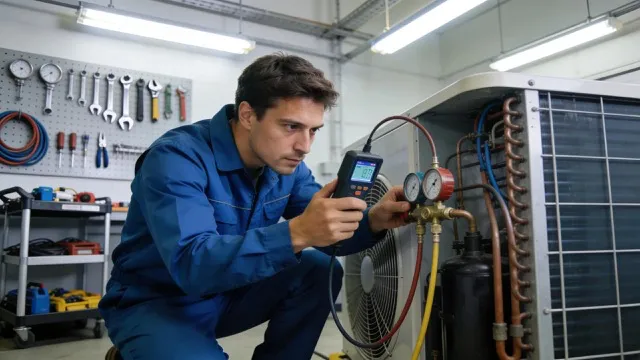
Technicians rely on specific methods to find leaks, such as electronic leak detectors, handheld gas sniffers, and thorough visual inspections for oil or frost. These approaches help pinpoint trouble accurately.
- Use of Tools Like Leak Detectors: Specialized equipment that detects the presence of refrigerant gases is commonly used by professionals.
- Gas Sniffing Methods: This technique involves a handheld device that can smell the refrigerant, detecting even minute leaks.
- Visual Inspections: Technicians often conduct thorough visual inspections, looking for oil stains or frost accumulation that indicate a leak.
Can You Perform DIY Checks for Refrigerant Leaks at Home?
Yes. You can do basic checks: look for oil or ice on coils and lines, listen for hissing, and note poor cooling performance. If you see these signs, call a pro for a full diagnosis.
- Visual Checks: Look for signs of oil or ice buildup on the coils or around the refrigerant lines.
- Sound Checks: Pay attention to any unusual hissing noises from the air conditioning unit that might suggest refrigerant escape.
- Important Indicators: If your system fails to cool efficiently or exhibits other symptoms, it might be time to contact a professional for a thorough evaluation.What Causes Refrigerant Leaks and Where Do They Typically Occur?Knowing common causes helps you prevent leaks. Corrosion, worn fittings, vibration, and weather exposure all increase the chance of a leak developing over time.
Which AC System Components Are Most Prone to Refrigerant Leaks?
Certain parts are more likely to leak, including condenser coils exposed outdoors, expansion valves that experience pressure changes, and refrigerant lines with worn connections. Inspect these areas regularly.
- Condenser Coils: These coils are often exposed to outdoor elements and can corrode over time, leading to leaks.
- Expansion Valves: Due to frequent temperature changes and pressure fluctuation, these valves are prone to leakage.
- Refrigerant Lines: Any connections or fittings in the refrigerant lines can wear out, leading to potential leaks.
How Do Environmental Factors and Wear Contribute to Refrigerant Leakage?
Extreme weather, temperature swings, dirt and debris, and normal wear all create weak points where leaks start. Regular inspections and cleaning reduce these risks. For commercial properties, proper upkeep prevents costly downtime from commercial AC issues.
What Are the Repair Options and Expected Costs for Refrigerant Leak Fixes?
Understanding repair options helps you choose wisely. Repairs range from simple seal fixes to component replacement and refrigerant recharge, with costs that reflect the work needed.
How Do HVAC Technicians Repair Refrigerant Leaks?
Technicians first find the leak with their instruments, then repair or replace the damaged part—soldering copper lines, resealing fittings, or swapping faulty components—and finally recharge the system to the correct refrigerant level.
- Identifying Leak Points: Technicians first locate the source of the leak using specialized equipment.
- Repair Techniques: Common methods include soldering leaks in copper lines, replacing damaged components, or re-sealing connections.
- Recharging Refrigerant: After repairs, the system is recharged with the appropriate amount of refrigerant to ensure it operates efficiently.
What Is the Typical Cost Range for AC Refrigerant Leak Repair in Sarasota?
In Sarasota, expect repair costs roughly between $200 and $1,500, depending on leak complexity and parts needed. Key cost drivers include how severe the leak is, which components require replacement, and local labour rates.
- Severity of the Leak: More complicated repairs may require greater labor and parts, resulting in higher costs.
- Components Involved: The replacement of high-value components, like the compressor, can significantly increase total repair costs.
- Local Labor Rates: Labor rates can vary by region, impacting overall repair expenses.
How Can Preventative Maintenance Help Avoid Refrigerant Leaks?
Regular maintenance lowers the chance of leaks and keeps the system efficient. Simple seasonal checks prevent minor issues from turning into major repairs.
What Regular Checks Can Homeowners Perform to Prevent Refrigerant Leaks?
You can routinely check refrigerant levels, inspect seals and connections for wear, and keep evaporator and condenser coils clean. These steps reduce strain on the system and extend its life.
- Checking Refrigerant Levels: Regularly inspect refrigerant levels to ensure they are within the recommended range.
- Inspecting Seals: Examine the seals around the ductwork and components for any signs of wear or leaks.
- Cleaning Coils: Regularly clean the evaporator and condenser coils to prevent wear and maintain efficiency.
Why Scheduling Professional HVAC Maintenance Is Crucial for Leak Prevention?
Professional maintenance catches issues you might miss. Trained technicians perform detailed inspections, spot weak components, and make adjustments that prevent major failures and save you money over time. Leaving problems unattended can also lead to issues like mold growth in damp conditions.
When and How Should You Contact Emergency AC Repair Services for Refrigerant Leaks?
Know when to call emergency repair: if the unit stops cooling, makes strange noises, or shows ice buildup, get help right away to avoid further damage.
What Are the Signs That Require Immediate Emergency Refrigerant Leak Repairs?
Immediate repair is needed if the AC won’t cool at all, emits unusual noises, or has ice on components. These signs point to serious faults that can harm the system if not fixed fast.
- Inadequate Cooling: If your air conditioning is not working at all, it’s crucial to call for help.
- Unusual Sounds: Uncommon noises emanating from the unit can indicate significant malfunctions.
- Ice Buildup: Ice forming on the AC components can signal a serious issue related to refrigerant leakage.
How to Quickly Schedule Emergency AC Repair Services in Sarasota and Manatee County?
To schedule emergency repair, call American Air Conditioning and Restoration (ACR) at (941) 739-9731 and describe the symptoms clearly so the technician arrives prepared. Prompt, detailed information helps speed diagnosis and reduce further damage. To schedule service, promptly schedule your AC repair.
Frequently Asked Questions
Can a refrigerant leak affect indoor air quality?
Yes. A refrigerant leak can reduce cooling performance and raise humidity indoors, creating damp conditions that encourage mold and allergens. That can harm occupants, especially those with respiratory issues. Fix leaks quickly to protect air quality.
What should I do if I suspect a refrigerant leak?
If you suspect a leak, turn off the AC to prevent more damage, check for visible oil or ice, and call a professional HVAC technician. They have the right tools to diagnose and repair leaks safely and correctly.
How often should I have my AC unit inspected for leaks?
Have your AC inspected at least once a year, ideally during routine maintenance before the cooling season. Annual checks catch issues early, reduce breakdown risk, and help the system run efficiently longer.
What are the long-term effects of ignoring refrigerant leaks?
Ignoring leaks forces the system to work harder, which raises energy bills and can cause major component damage over time—often to the compressor. Unresolved leaks also raise moisture risks that can lead to mold and health concerns.
Is it safe to use my AC if I think it has a refrigerant leak?
No. Running an AC with a suspected refrigerant leak can worsen damage and create safety or health risks. Turn the unit off and contact a qualified HVAC technician to inspect and repair the issue.
What types of refrigerants are commonly used in AC systems?
Common refrigerants include R-410A and R-22. R-410A is widely used in newer systems for better efficiency and lower environmental impact, while R-22 is being phased out because it harms the ozone layer. Know your system’s refrigerant so you can discuss repair or replacement options with your technician.