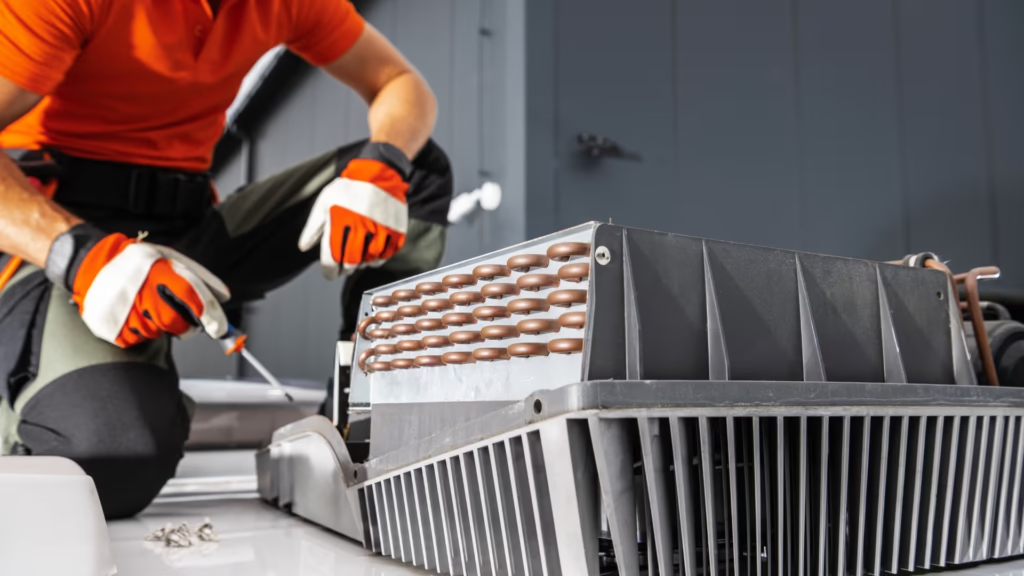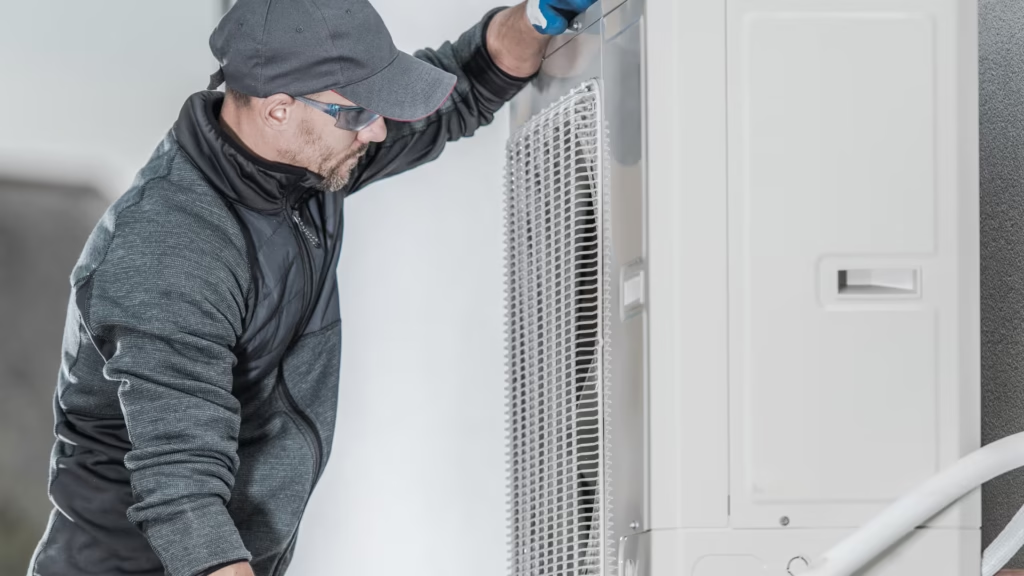
Hurricane season AC preparation is the cheapest insurance a Gulf Coast homeowner can buy. Every year after a named storm passes through Sarasota or Manatee County, our phones fill with the same calls: outdoor units flooded, breakers fried by surges, and systems that won’t restart after days without power. Most of that damage is preventable. Here’s what to do before a storm — and what to check after — to keep your air conditioner alive.
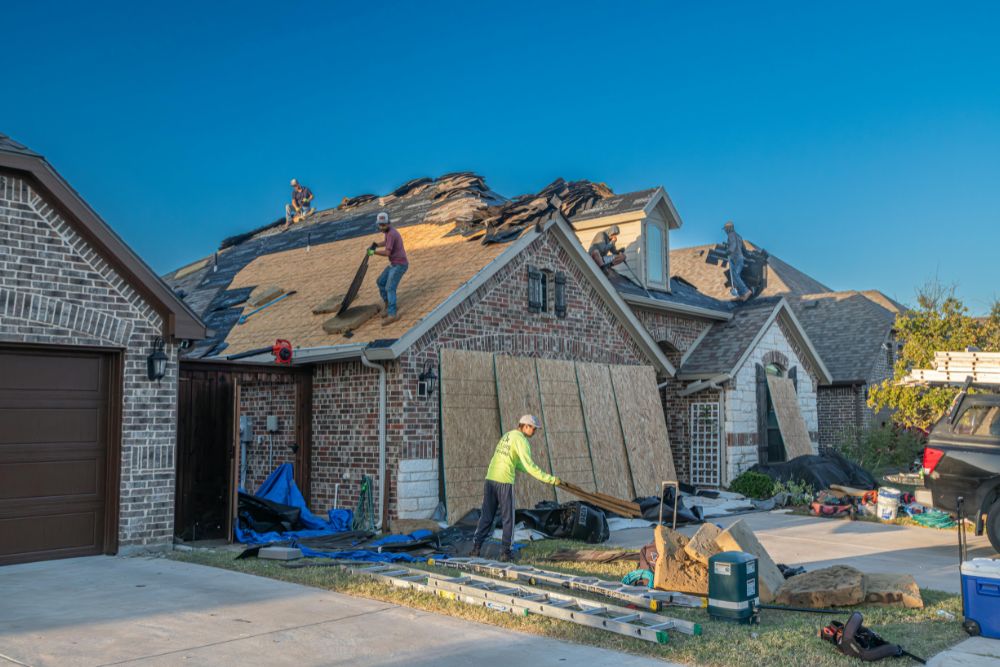
Before the Storm: A One-Hour Checklist
- Pre-cool the house. Drop the thermostat a few degrees before landfall. If the power goes out, you’ll start from a cooler, drier baseline.
- Shut the system down before conditions get severe. Turn the AC off at the thermostat and the breaker. A unit that’s off can’t be damaged by the surges that ride along power flickers.
- Secure the outdoor unit. Condensers are heavy but not immovable — hurricane straps or anchoring bolts are a small job for a technician. Clear the area of furniture, potted plants, and anything that becomes a projectile.
- Don’t wrap the condenser in plastic. A tarp traps moisture and invites corrosion; manufacturers design these cabinets to get wet. Cover only against flying debris, and remove the cover immediately after.
- Check your surge protection. A whole-home or HVAC-dedicated surge protector is the single best investment on this list — compressor boards are among the most expensive parts to replace.
- Get a pre-season tune-up. A system already limping into a storm — weak capacitor, dirty coil, marginal refrigerant charge — is the one most likely to fail during the brutal recovery stretch when every HVAC company in the county is booked solid. A late-spring tune-up is storm prep too.
Why Surges Kill More Air Conditioners Than Wind
Ask any Gulf Coast HVAC technician what fills the schedule in the week after a storm, and the answer isn’t wind damage — it’s electrical damage. As the grid fails and recovers, your home doesn’t lose power cleanly; it takes a rapid-fire sequence of brownouts, flickers, and voltage spikes. Each one hammers the most sensitive components in your system: the compressor’s start capacitor, the contactor, and the control boards that modern variable-speed equipment depends on. A single spike can end a $2,000 board. This is why the “off at the breaker” step above matters so much, and why a dedicated HVAC surge protector — a modest one-time cost installed at the disconnect — routinely pays for itself in a single storm season. If your home already has a whole-home surge protector at the panel, ask us to verify it actually covers the condenser circuit; many older installations don’t.
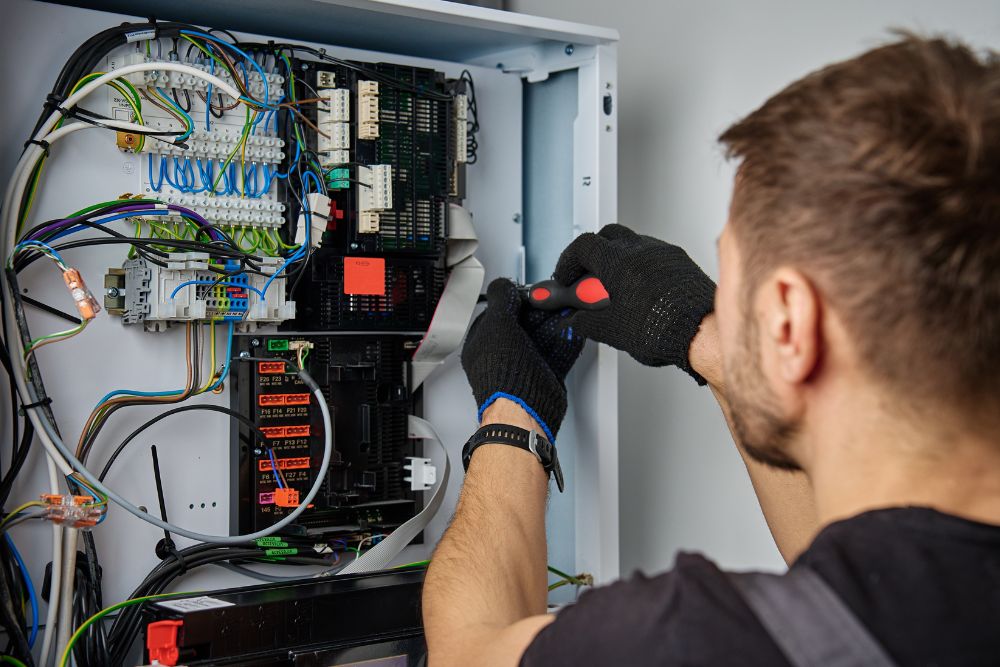
AC Not Turning On After a Power Outage? Do This First
An AC not turning on after a power outage is the most common post-storm call we get — and about a third of the time, homeowners can fix it themselves in five minutes:
- Check the breaker panel. Look for tripped breakers (fully off, then back on — a half-tripped breaker fools people). Check the outdoor disconnect box too.
- Check the thermostat. Battery-powered thermostats die quietly during outages. Replace batteries and confirm settings survived the outage.
- Wait for the delay. Many systems have a 5–10 minute compressor protection delay after power returns. Give it time before assuming the worst.
- Look at the float switch. Storm humidity can back up the condensate drain and trip the overflow safety switch, which shuts the system down on purpose.
If none of that works — or the unit hums, clicks, trips the breaker repeatedly, or was standing in flood water — stop. Repeated restart attempts can turn surge-damaged electronics into a destroyed compressor. Flood-exposed units especially should be professionally inspected before being energized; salt and debris in the electrical compartment are a fire risk. That’s exactly what our 24/7 emergency service is for.
If Your Home Took In Water: The 48-Hour Window
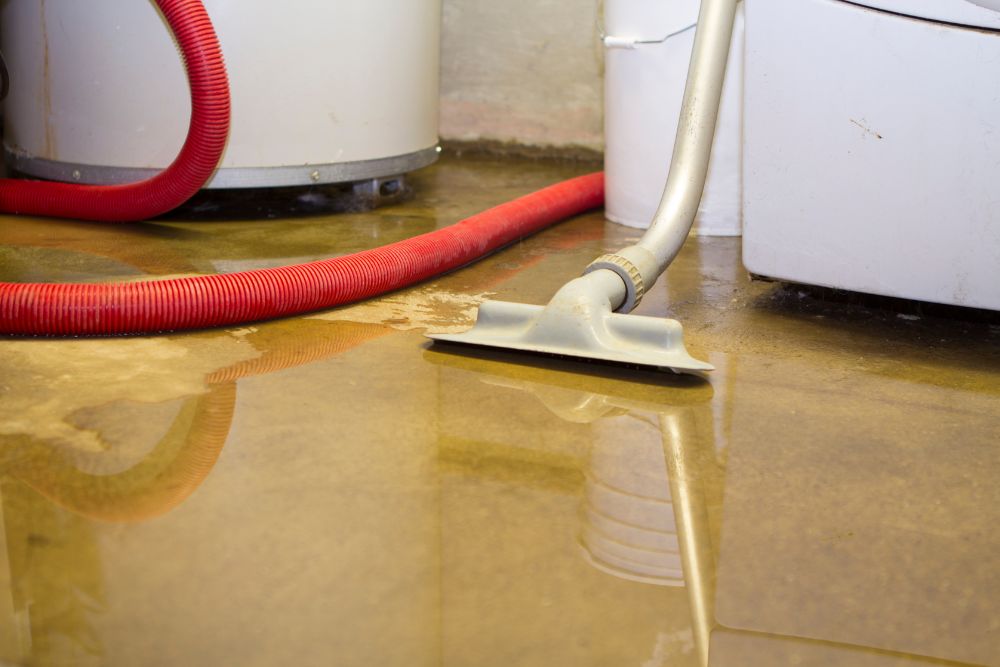
Storm water in the house starts a clock. Wet drywall, carpet pad, and baseboards move from “dryable” to “mold habitat” in roughly 24 to 48 hours — faster in post-storm heat with no air conditioning running. If flooding reached your home, prioritize professional structural drying over almost everything else on the recovery list: fans from the garage feel productive but can’t pull moisture out of wall cavities. Keep the AC off if ducts or the air handler took in water, because running the system distributes contamination through the house and can seed mold in the air ducts that surfaces weeks later. Our water damage restoration crews handle extraction, drying, and moisture verification with commercial dehumidifiers and meters — and because we’re also licensed for mold remediation, the same company that dries your home can test and treat it.
Documenting Storm Damage for an Insurance Claim
If your system is damaged, the claim goes smoother when the paper trail starts early. Photograph the outdoor unit from several angles before anyone touches it — including the data plate with the model and serial number, standing water lines, and any debris strikes. Save the date-stamped photos alongside your power company’s outage notifications, which help establish the surge timeline. Get a written diagnosis from a licensed contractor rather than a verbal estimate; insurers weigh an itemized report from a state-licensed HVAC company (our license: #CAC1816956) very differently than a homeowner’s description. And resist the urge to discard damaged parts — adjusters sometimes ask to see the failed board or compressor before approving replacement. Keep every invoice from the recovery, including the emergency diagnostic visit — those costs are frequently reimbursable even when they happen before the claim is formally opened.
After the Storm: Don’t Skip the Moisture Check
Days without air conditioning in post-storm humidity puts every home in mold-growth territory — carpets, drywall, and closets can hit the moisture levels mold needs within 48 hours. Once cooling is restored, run the system continuously for several hours to pull humidity back down, and inspect for musty odors or visible growth in the following weeks. Homes that struggle to recover their indoor humidity may benefit from a whole-house dehumidifier — it’s also the fastest way to protect a home during future outages once power returns.
Frequently Asked Questions
Should I run my AC on a portable generator?
Central AC draws more than most portable generators can safely deliver, and undervoltage damages compressors. Unless you have a properly sized standby generator with a transfer switch, don’t.
My outdoor unit was under water. Is it ruined?
Not necessarily — but don’t turn it on. Brief freshwater exposure is often survivable after professional cleaning and inspection; salt water and prolonged submersion are much harder on equipment.
Does insurance cover hurricane damage to my AC?
Wind and debris damage is generally covered under standard homeowners policies; flood damage usually requires separate flood insurance. Surge damage falls in a gray zone that varies by policy — which is why the documentation steps above matter.
When should I do storm prep on my AC?
Anchoring, surge protection, and a pre-season tune-up are best done in late spring, before the first storm watch — not the day a cone appears on the forecast.
Want your system storm-ready? American Air Conditioning & Restoration serves Sarasota, Bradenton, Anna Maria Island, and all of Manatee County. Call (941) 739-9731 or schedule service online — before the weather decides for you.