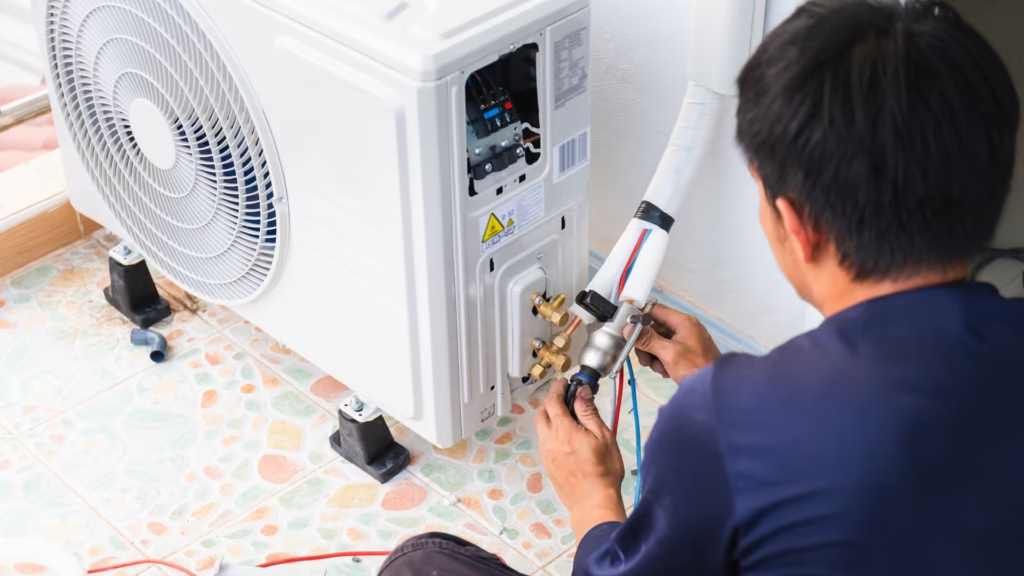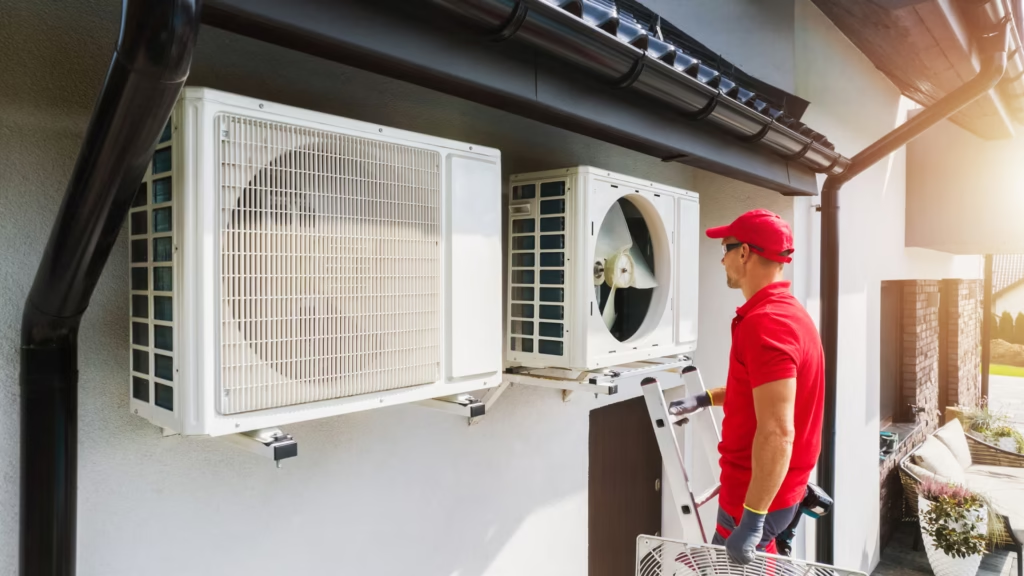
Mold in air ducts is one of the few HVAC problems you often smell before you see. If a musty odor drifts from your vents every time the AC kicks on, your ductwork may be circulating mold spores through every room of your house. Here’s how to recognize the problem, why Florida homes are especially vulnerable, and what proper removal actually involves — from a company licensed in both HVAC and mold remediation.
Mold Smell From AC Vents: The First Warning Sign
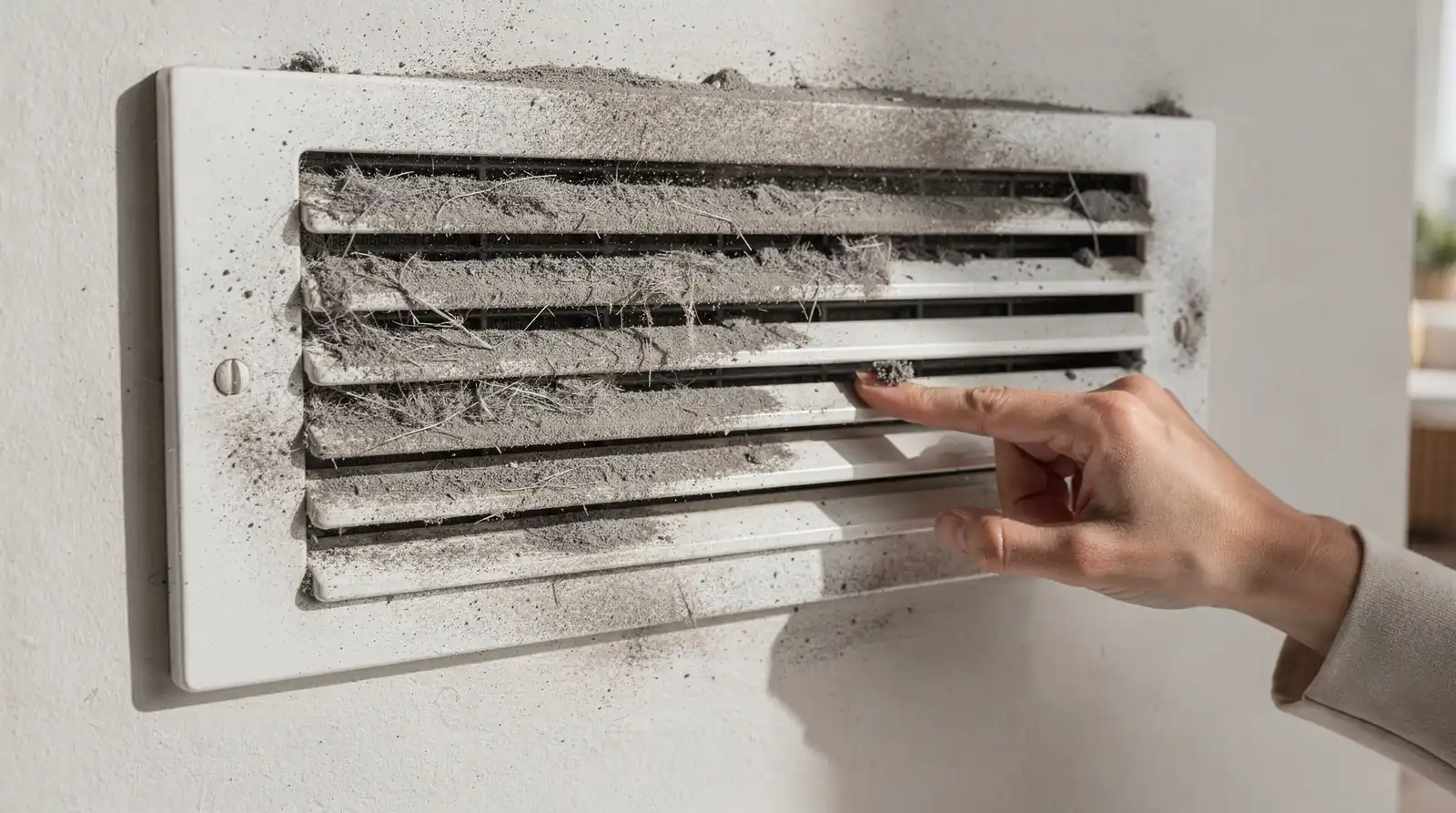
That mold smell from AC vents — musty, earthy, sometimes described as “dirty socks” — is caused by microbial growth somewhere in the system: on the evaporator coil, in the drain pan, on the blower wheel, or inside the ducts themselves. Key pattern to notice: if the odor is strongest in the first few minutes after the system starts, then fades, the growth is likely on the coil or in the pan. If it’s constant whenever air is moving, the ducts themselves are suspect.
Other Signs of Mold in Your Ductwork
- Visible black, green, or white specks around vent grilles or on the ceiling near supply registers
- Allergy symptoms — sneezing, itchy eyes, congestion — that improve when you leave the house
- Unexplained headaches or fatigue that track with AC use
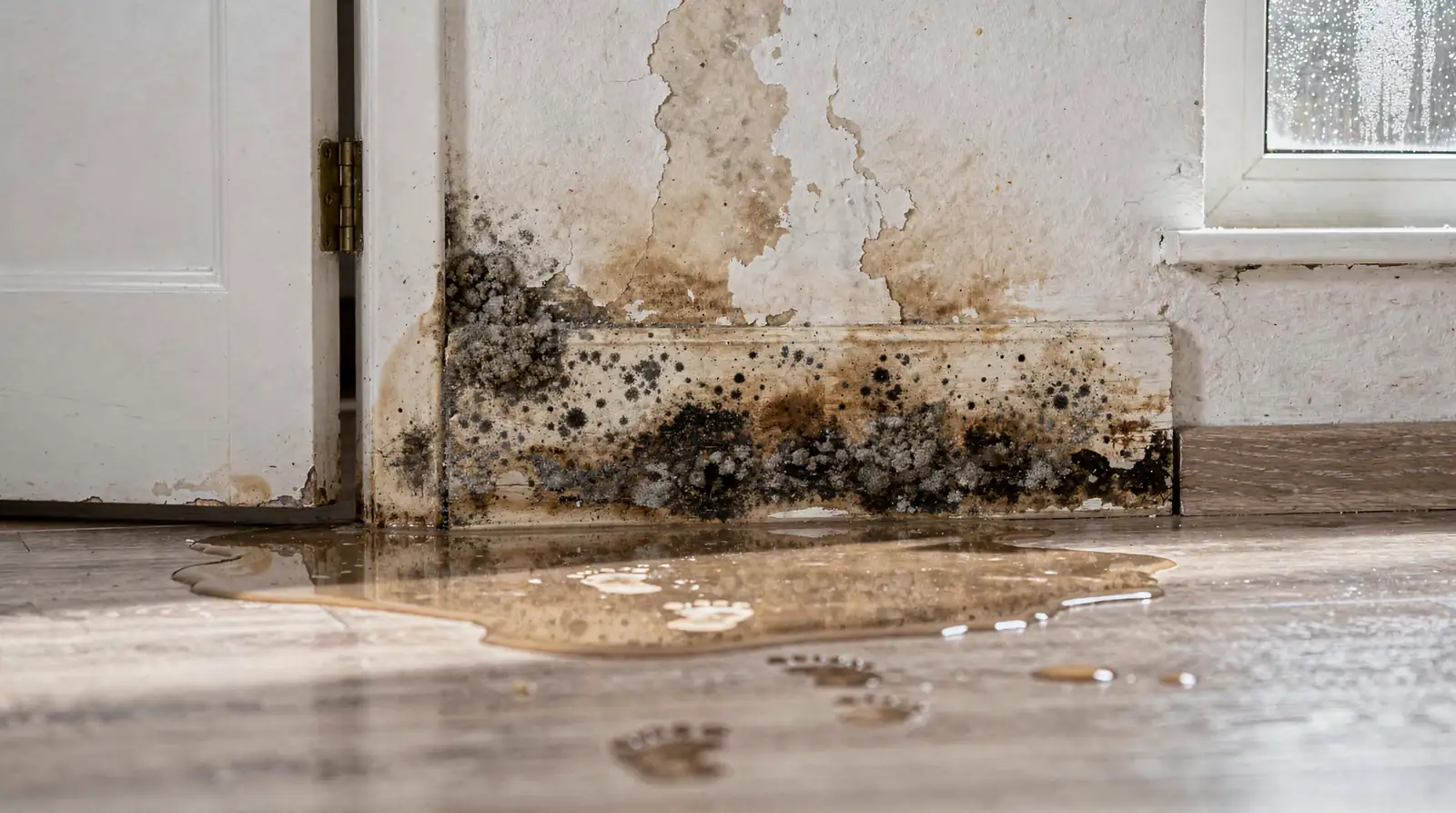
- Condensation or water staining on or around ducts and air handlers
- A history of water damage, roof leaks, or an AC drain backup that was never professionally dried
A Few Checks You Can Do Yourself
Before calling anyone, spend ten minutes gathering evidence. Remove a supply vent cover and shine a flashlight as far into the duct as you can see — dust is grey and fuzzy, while mold tends to appear in black, dark green, or white patches that smear when touched (don’t touch it barehanded). Pull your air filter: a filter that smells musty itself, or shows dark speckling on the intake side, points to growth upstream. Finally, check your indoor humidity with an inexpensive hygrometer. Readings consistently above 60% mean your home is a mold-friendly environment, and whatever you clean will likely return. What you should not do is spray bleach or disinfectant into the vents — it won’t reach the colony, it can damage duct materials, and aerosolizing chemicals into your air supply creates its own health problem.
Why Florida Ducts Grow Mold
Mold needs moisture, warmth, and food. Sarasota and Manatee County supply all three: humid outdoor air infiltrates duct leaks, attic-mounted ducts sweat when cool air meets hot attic air, and household dust inside ductwork is a perfectly good food source. An oversized AC makes it worse — it cools the air quickly without running long enough to pull humidity out, leaving the system damp between cycles. That’s also why mold often returns after amateur cleanings: the growth was removed, but the moisture condition wasn’t. If your whole house feels sticky even when it’s cool, read our companion piece on whole-house dehumidifiers in Florida — chronic humidity and duct mold are usually two symptoms of the same problem.
Seasonal homes deserve a special mention. Thousands of Sarasota and Manatee County properties sit closed up all summer while their owners are up north — thermostat set high, blinds drawn, air barely moving. That’s a six-month mold incubation program: warm, dark, humid, and undisturbed. If you leave for the season, set the AC to hold around 77°F with humidity control (or add a dehumidifier on its own humidistat), have someone check the home monthly, and schedule a duct inspection when you return. The musty “closed-up house smell” snowbirds notice in October is very often not just stale air.
What Duct Mold Does to Your Health and Your AC
Because ductwork feeds every room, duct mold turns a localized problem into whole-home exposure — every cooling cycle redistributes spores across bedrooms, kitchens, and living areas. Sensitive groups feel it first: children, seniors, and anyone with asthma, allergies, or a compromised immune system. But the system itself suffers too. Mold and the debris it grows on coat the evaporator coil and blower wheel, forcing the AC to work harder to move the same air. The result is higher energy bills, longer run times, more wear on the motor, and — in a neat bit of irony — even worse humidity control, which feeds more mold. We’ve opened air handlers where the blower wheel had lost a third of its airflow capacity to buildup the homeowner never saw.
How Professional Removal Actually Works
Spraying a store-bought disinfectant into a vent does nothing for colonies deeper in the system. A proper job looks like this:
- Inspection and moisture tracing. We identify where the growth is and, more importantly, what moisture source is feeding it.
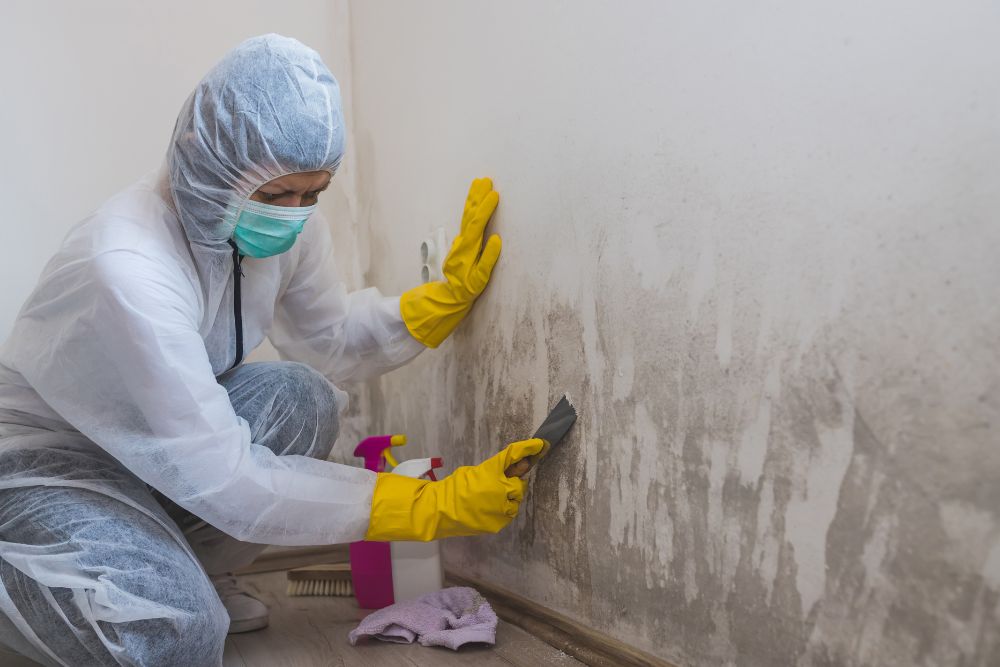
- Containment. Affected sections are isolated so cleaning doesn’t blow spores into living spaces.
- Cleaning or replacement. Solid metal ducts can often be cleaned and treated. Flexible ducts and internal duct liner with significant growth generally need replacement — porous materials can’t be reliably decontaminated.
- Fixing the cause. Sealing duct leaks, correcting drainage, adding insulation, or right-sizing equipment so the mold doesn’t come back.
- Prevention upgrades. UV lights at the coil, better filtration, and dehumidification where needed — see our indoor air quality solutions.
This is where hiring a combined HVAC and mold company matters. A duct-cleaning crew can remove what it sees; only a licensed mold remediation team (our license: #MSRS5795) can properly assess contamination, and only an HVAC contractor can fix the mechanical causes. We do both under one roof.
Keeping It From Coming Back
Prevention is cheaper than remediation, and it’s mostly about moisture discipline. Keep indoor humidity between 45% and 55%. Change filters on schedule — a clogged filter starves airflow and encourages condensation. Have the condensate drain line flushed at every seasonal tune-up, since a backed-up drain pan is the single most common moisture source we find. Seal accessible duct joints, especially in attics and garages. And if your system’s coil sits wet between cycles, a UV germicidal light installed at the coil kills growth where it starts, for pennies a day in electricity. Ask about one at your next tune-up — installation takes under an hour on most air handlers, and it’s the closest thing to a set-and-forget mold defense the industry offers.
Frequently Asked Questions
Is mold in air ducts dangerous?
It can be, particularly for children, seniors, and anyone with asthma or allergies. Because ducts distribute air to the whole house, even a localized colony gets whole-home reach.
Can I just run the fan to dry things out?
No — running the fan spreads spores further. If you suspect mold, run the system as little as possible until it’s inspected.
Does homeowners insurance cover duct mold?
Sometimes — typically when the mold resulted from a sudden, covered event like a burst pipe, and rarely when it grew from long-term humidity or maintenance neglect. Document everything early; our team can help with inspection reports insurers accept.
Will a duct cleaning alone solve it?
Only if the moisture source is also corrected. Cleaning without fixing the cause is why the smell usually returns within months.
Smelling something musty from your vents? Get it inspected before it spreads. Call American Air Conditioning & Restoration at (941) 739-9731 or schedule an inspection — serving Sarasota, Bradenton, and all of Manatee County, with full ductwork services in-house.